


RCC Rate Analysis Master Guide: In Depth Item Wise Rate Analysis of M30 Concrete, Fe 550D Steel & Conventional Shuttering

Why RCC Rate Analysis Is a Critical Billing & Audit Document?
RCC Rate Analysis is not merely a cost calculation exercise; it is a core financial and contractual document that governs tender pricing, RA bill certification, variation approval, and technical audit outcomes in civil engineering projects.
In my professional journey covering site execution, contractor bill preparation, client bill verification, and third‑party technical audits, I have consistently observed that weak RCC rate analysis is one of the top three reasons for:
- Audit observations
- Rate justification rejection
- Payment recovery
- Contractor margin erosion
Modern Indian construction contracts therefore insist on item‑wise RCC rate analysis, segregating RCC into:
- Concrete
- Reinforcement steel
- Shuttering
This article presents a technically correct, audit‑defensible RCC rate analysis, while remaining SEO‑strong and Google‑friendly.
Why Item Wise RCC Rate Analysis Is Mandatory in Modern Contracts?
RCC Rate Analysis from a Contract & Billing Perspective
Earlier practices of composite RCC rates created ambiguity during:
- Steel recovery
- Shuttering reuse
- Design revisions
- Extra item claims
Hence, most EPC and item‑rate contracts now demand separate RCC rate analysis for concrete, steel, and shuttering.
From a billing manager’s perspective, item‑wise RCC rate analysis ensures:
- Clear scope definition
- Zero duplication of labour or machinery
- Faster RA bill certification
- Transparent rate justification
RCC Rate Analysis from an Auditor’s Perspective
During technical audits, RCC rate analysis is examined in detail for:
- Embedded costs
- Double loading of labour
- Wrong grade application
- Excess wastage claims
✅ Item‑wise RCC rate analysis significantly reduces audit risk.
RCC Rate Analysis Item Wise Structure Adopted
This RCC rate analysis is structured into three major BOQ line items, each analysed independently:
- RCC Rate Analysis for Concrete M30 Grade (per m³)
- RCC Rate Analysis for Reinforcement Steel – Fe 550D (per MT)
- RCC Rate Analysis for Conventional Shuttering (per m²)
Each item includes its own labour, machinery, water & testing, overheads and profit, ensuring technical clarity and audit transparency.
RCC Rate Analysis Item Wise Philosophy
In professional construction billing, RCC Rate Analysis must never be treated as a thumb‑rule or copied spreadsheet. From a billing, contract compliance, and audit perspective, RCC work must be broken into independent cost‑controlled items, each with:
- Clear scope
- Independent quantity derivation
- Market‑justified rates
- Transparent cost build‑up
- Logical overhead & profit loading
For this reason, the item‑wise RCC rate analysis adopted in serious projects is:
- Concrete – M30 Grade (₹/m³)
- Reinforcement Steel – Fe 550D (₹/MT)
- Conventional Shuttering – (₹/m²)
Each item is analyzed as if it can stand alone during audit scrutiny.

ITEM 1
RCC Rate Analysis for Concrete M30 Grade (Per m³)
1. Scope Definition (Concrete M30)
From a billing and audit standpoint, defining scope correctly is more important than calculation.
Included in Concrete M30 Rate Analysis
✅ Cement, fine aggregate, coarse aggregate
✅ Chemical admixture
✅ Batching / mixing (RMC or site batching)
✅ Transportation within site
✅ Placing, compaction & vibration
✅ Initial curing arrangement
✅ Cube moulds & compressive strength testing
✅ Labour, machinery, water
✅ Overheads & contractor’s profit
Explicitly Excluded (Must be stated)
❌ Reinforcement steel (supply or labour)
❌ Shuttering / formwork
❌ Surface finishing / screeding
Audit logic: Any ambiguity in scope leads to duplication of cost across items.
2. Quantity Derivation for M30 Concrete
Unlike nominal mixes, M30 concrete is design‑mix concrete, therefore quantity derivation must be based on approved mix design, not IS thumb rules.
Cement Content (Approved Mix Design)
Typical approved M30 mix in Indian projects:
- Cementitious content ≈ 380 kg/m³ (may vary between 360–400 kg depending on durability requirement)
✅ For rate analysis, approved mix design must be referenced.
Fine Aggregate Quantity
From typical M30 mix proportion:
- Fine aggregate ≈ 0.42 – 0.46 m³ per m³
Adopted for analysis:
- 0.45 m³ per m³ of concrete
Coarse Aggregate Quantity
Typical:
- 0.78 – 0.82 m³ per m³
Adopted:
- 0.80 m³ per m³
Admixture Quantity
- Superplasticiser ≈ 0.8% – 1.2% of cement
- Approximate consumption: 3–4 kg per m³
Adopted:
- 4 kg per m³ (Lump sum basis)
3. Rate Application (Concrete)
(Indicative metro‑city rates; auditors accept logic, not absolute value)
Cement Cost
- Cement rate: ₹8.00 / kg
- Quantity: 380 kg
Cost = 380 × 8 = ₹3,040
Fine Aggregate Cost
- Rate: ₹1,500 / m³
- Quantity: 0.45 m³
Cost = ₹675
Coarse Aggregate Cost
- Rate: ₹1,200 / m³
- Quantity: 0.80 m³
Cost = ₹960
Admixture Cost
- Rate: ₹30 / kg
- Quantity: 4 kg
Cost = ₹120
✅ Total Material Cost – M30 Concrete
| Material | Amount (₹/m³) |
|---|---|
| Cement | 3,040 |
| Fine Aggregate | 675 |
| Coarse Aggregate | 960 |
| Admixture | 120 |
| Total | 4,795 |
4. Labour Cost (Concrete)
Labour deployment per m³ typically includes:
- Mixer / batching operator
- Vibrator operator
- Helpers for placing & curing
Based on site productivity:
- Average labour cost: ₹1,100 – ₹1,300 per m³
Adopted:
- ₹1,200 per m³
Audit check: Labour here must NOT include steel binding or shuttering labour.
5. Machinery & Equipment Cost
Includes:
- Concrete mixer / batching plant
- Needle vibrators
- Power / diesel
Average:
- ₹450 – ₹550 per m³
Adopted:
- ₹500 per m³
6. Water, Curing & Testing Cost
Includes:
- Water supply
- Cube moulds
- Compression testing charges
Adopted:
- ₹200 per m³
7. Direct Cost Summary (M30 Concrete)
| Component | Cost (₹/m³) |
|---|---|
| Materials | 4,795 |
| Labour | 1,200 |
| Machinery | 500 |
| Water & testing | 200 |
| Direct Cost | 6,695 |
8. Overheads & Profit (Concrete)
Concrete work has:
- Predictable productivity
- Low wastage risk
- High volume
Typical overheads & profit:
- 12% – 15%
Adopted:
- 15%
Overheads & profit:
- ₹1,005
✅ Final Rate M30 Concrete
₹7,700 per m³
Billing & Audit Observations (Concrete)
✅ Mix design approval referenced
✅ Cube test results attached with RA bill
✅ Cement consumption matches pour quantity
✅ No embedded steel/shuttering cost
❌ Audit objection commonly raised: Using M25 cement content for M30 billing.

ITEM 2
RCC Rate Analysis for Reinforcement Steel (Fe 550D Per MT)
1. Scope Definition (Steel)
Included: ✅ Supply of Fe 550D reinforcement
✅ Cutting, bending & placing
✅ Binding wire, chairs, spacers
✅ Handling, loading/unloading
✅ Labour & bar‑bending machinery
✅ Overheads & profit
Excluded: ❌ Concrete & shuttering
2. Quantity Basis (Steel)
Steel is billed by weight, not by volume.
Standard billing quantity derived from:
- Approved drawings
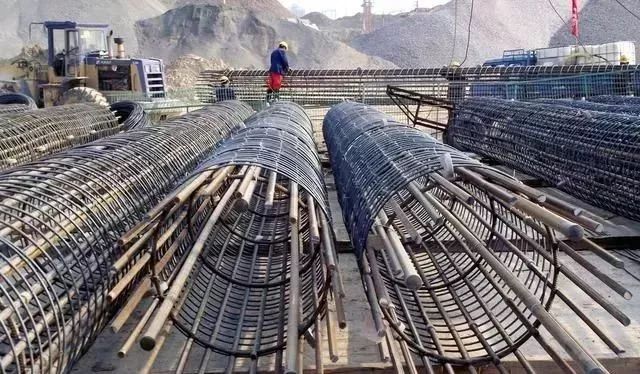
- Bar Bending Schedule (BBS)
- Laps & hooks as per IS 456 / drawings
Audit principle: BBS governs quantity, not thumb rule kg/m³.
3. Material Cost (Fe 550D Steel)
- Market rate: ₹72,000 per MT
4. Binding Wire Quantity
- Typically 1% of steel quantity
- 10 kg per MT
Rate:
- ₹70 / kg
Cost = ₹700
5. Labour Cost (Steel Work)
Includes:
- Bar cutters
- Bar benders
- Helpers
Industry accepted:
- ₹3,200 – ₹3,800 per MT
Adopted:
- ₹3,500 per MT
6. Machinery & Tools
Includes:
- Cutting machine
- Bending machine
Adopted:
- ₹800 per MT
7. Direct Cost Summary (Steel)
| Component | Cost (₹/MT) |
|---|---|
| Steel material | 72,000 |
| Binding wire | 700 |
| Labour | 3,500 |
| Machinery | 800 |
| Direct Cost | 77,000 |
8. Overheads & Profit (Steel)
Steel carries:
- Price fluctuation risk
- Reconciliation responsibility
- Recovery risk
Typical:
- 8% – 10%
Adopted:
- 9%
Overheads & profit:
- ₹6,930
✅ Final RCC Rate Analysis (Fe 550D Steel)
₹83,900 per MT
Billing & Audit Observations (Steel)
✅ TC confirms Fe 550D grade
✅ BBS approved & signed
✅ Wastage within contract limit
✅ Monthly steel reconciliation attached
❌ High‑risk audit issue: Billing Fe 550D rate while supplying Fe 500D.

ITEM 3
RCC Rate Analysis for Conventional (Shuttering Per m²)
1. Scope Definition (Shuttering)
Included: ✅ Plywood, timber, props
✅ Erection & alignment
✅ De‑shuttering & shifting
✅ Shuttering oil & consumables
✅ Labour, tools
✅ Overheads & profit
2. Quantity Basis (Shuttering)
Quantity measured in:
- Square metres of contact area
- As per BOQ measurement rules
Audit rule: Same shuttering area must not be paid twice.
3. Material Cost (Shuttering)
Assumptions:
- Plywood reused 8–10 times
Effective cost:
- ₹180 per m²
4. Labour Cost (Shuttering)
Includes:
- Carpenter
- Helper
Adopted:
- ₹200 per m²
5. Tools & Accessories
Includes:
- Props
- Nails
- Oil
Adopted:
- ₹40 per m²
6. Direct Cost Summary (Shuttering)
| Component | Cost (₹/m²) |
|---|---|
| Materials | 180 |
| Labour | 200 |
| Accessories | 40 |
| Direct Cost | 420 |
7. Overheads & Profit (Shuttering)
Labour‑intensive & high handling:
- 20% adopted
Overheads & profit:
- ₹84
✅ Final RCC Rate Analysis (Conventional Shuttering)
- ₹504
Shuttering Billing & Audit Checks
✅ Shuttering area measured correctly
✅ Height factor applied as per contract
✅ No duplication across members
✅ Reuse cycles justified
Editor’s Pick
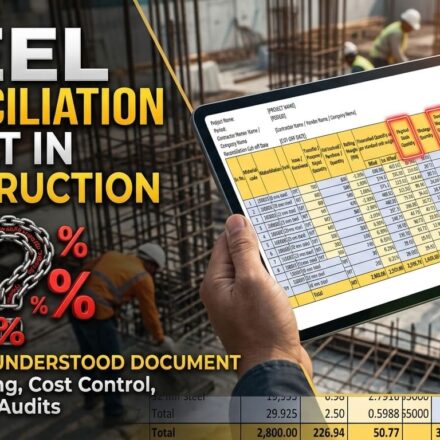
 Read more: Standardized Excavation Measurement Benchmark – IS Code Explained
Standardized Excavation Measurement Benchmark – IS Code Explained
on
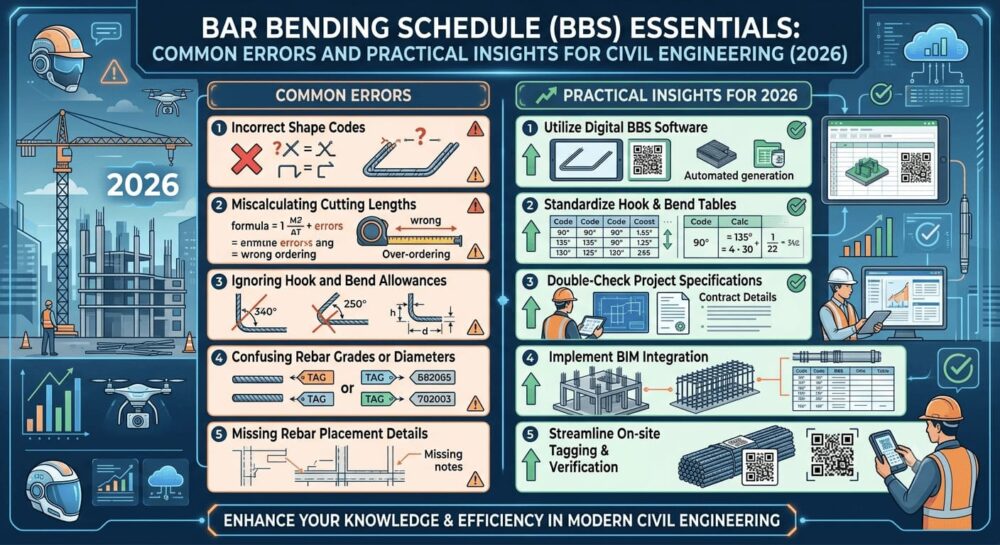
- Read more: Bar Bending Schedule Essentials: Common Errors and Practical Insights for Civil Engineering should help your Knowledge in 2026
Bar Bending Schedule Essentials: Common Errors and Practical Insights for Civil Engineering should help your Knowledge in 2026
on
 Read more: Pile Foundation: The Hidden Strength Beneath Every Structure Now even in 2026
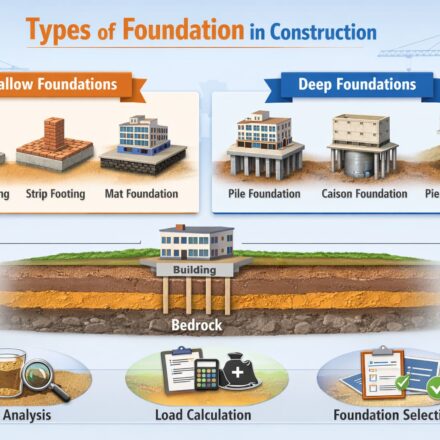
Pile Foundation: The Hidden Strength Beneath Every Structure Now even in 2026
on
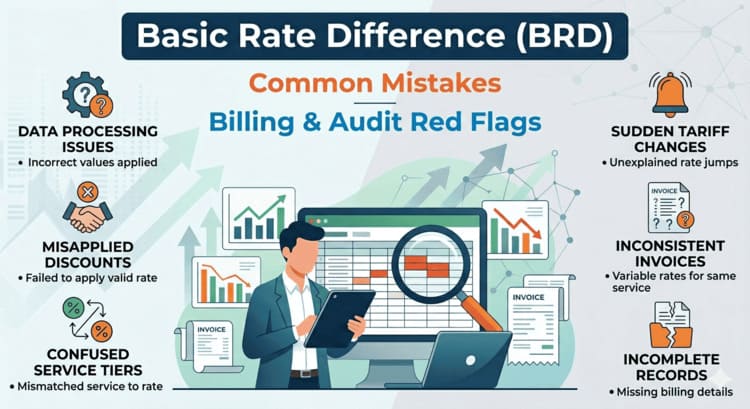
 Read more: Basic Rate Difference ( BRD ) – Common Mistakes and Billing & Audit Red Flags
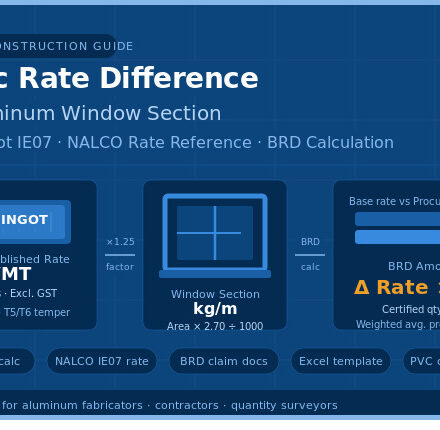
Basic Rate Difference ( BRD ) – Common Mistakes and Billing & Audit Red Flags
on

RA Bill Checking & Technical Audit
For billing engineers, RCC rate analysis acts as:
- Rate justification document
- Defence during audit scrutiny
- Contract compliance evidence
Common Audit Objections
❌ Labour duplicated across items
❌ Shuttering cost hidden in concrete rate
❌ Wrong steel grade billed
❌ Rates applied without approval
Conclusion: RCC Rate Analysis Is a Financial Control Tool
A properly prepared RCC rate analysis is:
- Technically correct
- Contractually compliant
- Audit‑defensible
- SEO‑optimised without compromising engineering integrity
Item‑wise RCC rate analysis for M30 concrete, Fe 550D steel and shuttering is the only sustainable approach in today’s construction environment.



















[…] […]
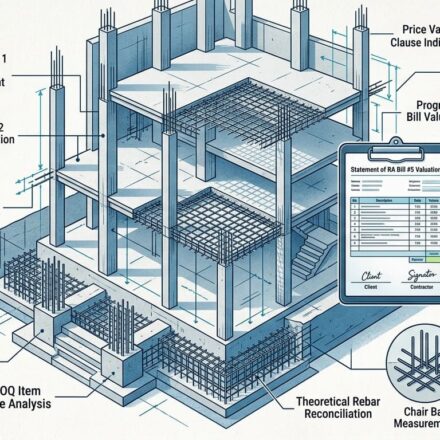
[…] Slab rate billing is a contracting mechanism where payment rates vary depending on the quantum of work completed. It sounds simple — and in its basic form it is. But the complexity lies in defining the slab boundaries accurately, measuring work completion to the correct level of precision for the applicable slab, and ensuring that the billing reflects the actual stage of completion rather than an overly optimistic or pessimistic estimate. I have seen projects where poor slab rate billing management led to the contractor being overpaid in early stages and the project running out of funds before completion. Accurate measurement and disciplined billing are not bureaucratic exercises — they are engineering responsibilities. […]
[…] can also read my article on the same topic for more […]